'Your Security Is Not Up-To-Date' Pop-Up Scam
While conducting investigations into misleading websites, our research team stumbled upon a technical support scam called "Your Security Is Not Up-To-Date." This scam operates by making deceptive claims about the visitor's computer, asserting that it is infected and the system has been locked for security reasons. The ultimate aim is to deceive the user into dialing a fraudulent support line, thus ensnaring them in an elaborate fraudulent scheme.
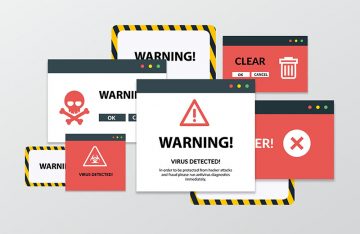
Upon visiting a webpage running "Your Security Is Not Up-To-Date," several pop-up windows were presented. The initial window asserted that the user's system security was outdated. Following the closure of this first pop-up, a second one appeared, fabricating non-existent threats and listing compromised data, including the IP address, email, and banking credentials. The scam also made reference to a legitimate anti-virus application, claiming that it had detected adware on the user's device six months earlier. This pop-up urgently prompted the visitor to call the provided helpline and take immediate actions to resolve these fictitious issues.
The final window in this sequence displayed a software update error and stressed the importance of contacting support. It also issued a warning against shutting down the computer to avoid potential system crashes or hard drive damage.
It's worth noting that the color palette of this scam mimics that of the Windows operating system. Additionally, the initial pop-up window features a logo in its title bar that resembles the one commonly associated with Windows.
It's crucial to emphasize that all the information presented by the content of those pop-upsis false, and this scam is in no way affiliated with any legitimate products or entities it may attempt to spoof.
The manner in which this scheme unfolds after the user contacts the fraudulent helpline can vary. Typically, tech support scammers request remote access to the victim's device, a process that can be achieved using legitimate remote access programs.
What Are the Top Three Signs of a Tech Support Scam?
Tech support scams are a common type of online fraud where scammers pretend to be tech support professionals or claim that your computer has a problem to trick you into paying for unnecessary services or gaining remote access to your device. Here are the top three signs of a tech support scam:
- Unsolicited Contact: Legitimate tech support services don't typically reach out to individuals who haven't specifically requested assistance. Be wary of unsolicited phone calls, emails, or pop-up messages claiming to be from tech support. If you didn't initiate the contact, it's likely a scam.
- Pressure and Urgency: Scammers often create a sense of urgency or use high-pressure tactics to push you into taking immediate action. They may claim that your computer is infected, compromised, or at risk of crashing and insist on urgent resolution, such as purchasing software, paying fees, or granting remote access.
- Request for Payment or Access: Legitimate tech support services will not ask for payment upfront or request remote access to your computer without your explicit consent. Tech support scammers, on the other hand, typically ask for payment for fake services or for remote access to fix nonexistent issues.