Say Hello To Bitdefender Subscription Renewal Email Scam
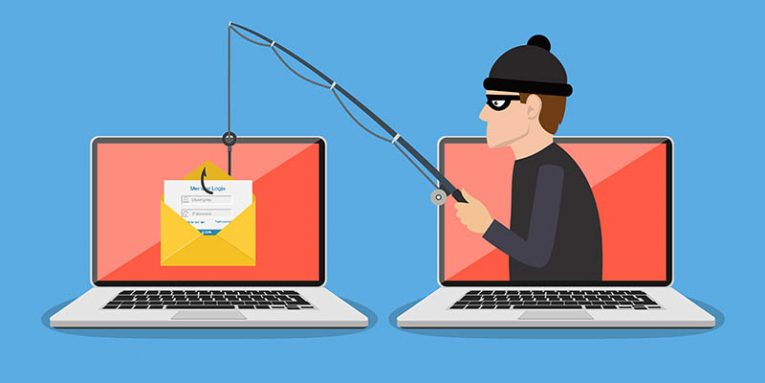
Table of Contents
What Is This Scam
The Bitdefender Subscription Renewal Email Scam is a sophisticated and deceptive scheme designed to trick recipients into believing they have made a costly purchase. This scam involves emails that appear to be official invoices or renewal notifications from Bitdefender, a well-known cybersecurity company. These emails thank the recipient for renewing their Bitdefender subscription and mention a significant charge for the service.
Details of the Fake Email
The fraudulent email is disguised as an invoice from Bitdefender, thanking the recipient for renewing their subscription. It claims that the transaction will be processed within 48 hours and states that the purchased product is Bitdefender for two users for one year, with a total charge of $498, including product and activation fees. The email also includes a refund policy, stating that refunds must be requested within 24 hours of purchase, and provides a contact number for more information.
Here's the full text from the said email:
INVOICE By BITDEFENDER
Bitdefender
Date Subscription User Invoice Number
July 8th, 2024 - HLA81992Thank you for choosing Bitdefender as your security partner.
We appreciate your continued trust in Bitdefender. We have renewed your subscription on the 8th of July 2024, to ensure that your security is never compromised.
Kindly be informed that the transaction might take 48 hours to reflect on your preferred account.BENEFITS:
Comprehensive protection against viruses and malware
Identity theft protection
Performance optimization tools
24/7 customer supportDETAILS
PRODUCT TENURE AMOUNT
Bitdefender 2 Users/1 Year 449.00 USD
Activation Charges 49.00 USD
TOTAL 498.00 USDRefund Policy:
We understand that circumstances can change and you may need to cancel your service. We want to make this process as simple as possible for you.
Please note that a refund must be requested within 24 hours from the time of purchase. Any request after this time period will not be eligible for the same.If you have any questions or concerns, please don't hesitate to reach out to us at:
+1 (808) 445 - 9888
The PayPal Renewal Invoice
Another variant of this scam involves an email claiming to be a renewal invoice from PayPal for Bitdefender services. This email states that the recipient's account has been charged $460.82 for Bitdefender Total Security for one device for one year and Bitdefender Account Premium Support. Both emails are crafted to look legitimate but are scams designed to deceive recipients into thinking they have made a purchase.
The Scammers’ Objectives
The primary goal of these scams is to trick recipients into contacting the provided phone number or responding to the email. Scammers may attempt to extract personal information, such as names, addresses, credit card details, or login credentials. They may also try to convince recipients to pay "administration" or other fees or to download harmful software onto their devices.
Recognizing Scam Emails
These scam emails are designed to appear as important notifications or urgent requests from legitimate companies. They use official-looking logos, formatting, and language to create a sense of authenticity. Scammers aim to trick recipients into providing sensitive information or transferring money, sometimes using these emails to deliver harmful software.
Examples of Similar Scams
There are numerous examples of fraudulent emails similar to the Bitdefender Subscription Renewal Scam. Some common examples include emails that urge you to "Review For Your Account," "Bank Account Details," and "Zoom Antivirus Plus Subscription." These emails often follow a similar pattern, using urgency and official language to deceive recipients.
How Scam Emails Spread Harmful Software
When scammers craft emails to infect computers, they often include malicious files as attachments or links. Opening these malicious links can lead to web pages that trick users into downloading harmful software or automatically download it onto their devices. Malicious files attached to emails can infect computers upon opening, especially if users enable macro commands in MS Office documents or execute malicious files.
Protecting Yourself from Scams
To protect yourself from scams like the Bitdefender Subscription Renewal Email Scam:
- Use reputable antivirus and anti-malware software and regularly update it.
- Be careful when you are about to download and install software, especially from unknown or unofficial sources.
- Always use official websites or app stores for software downloads and avoid clicking suspicious links or attachments in emails, even if they appear to come from trusted sources.
Steps to Take if Targeted by the Scam
If you receive an email like the Bitdefender Subscription Renewal Scam, do not respond to the email or call the provided phone number. Instead, mark the email as spam or phishing and delete it. If you have already interacted with the email or provided any personal information, take immediate steps to secure your accounts by changing passwords and monitoring for suspicious activity. Contact your bank or credit card company to alert them of potential fraud.
Final Thoughts
The Bitdefender Subscription Renewal Email Scam reminds us of the importance of vigilance in the digital age. By understanding scammers' tactics and taking proactive steps to protect your information and devices, you can avoid falling victim to these deceptive schemes. Stay informed, stay cautious, and keep your online activities secure.