Hlas Ransomware And The Way It Threatens Your Files
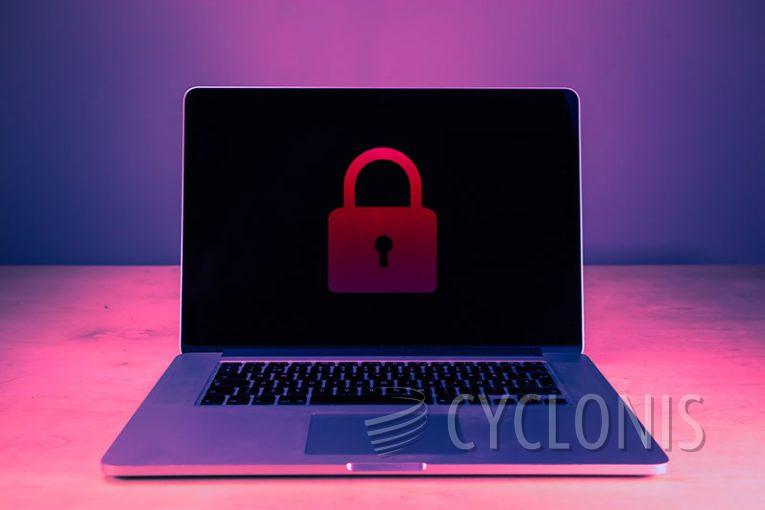
Ransomware continues to grow more complicated, and one of such evolved threats in this ever-growing family of malware is the Hlas Ransomware. A member of the infamous Djvu ransomware family, Hlas targets unsuspecting users by encrypting their files and demanding a ransom for their recovery. Here, we will explore what Hlas Ransomware is, how it operates, and what you can do to protect yourself from it.
Table of Contents
What is Hlas Ransomware?
Hlas is a dangerous form of ransomware that encrypts the victim's files once it infiltrates a computer. It does so by adding the ".hlas" extension to the filenames of the encrypted files. For example, if you had a photo saved as "image.jpg," after the attack, it would be renamed "image.jpg.hlas." Along with the encryption, the attackers leave a ransom note, typically titled "_readme.txt," to instruct the victims on retrieving their files.
The ransomware note explains that a unique encryption key was used to lock the victim's files, which could only be unlocked by purchasing a decryption tool from the attackers. The price? $999. However, the attackers tempt their victims with a 50% discount if they reach out within 72 hours of the attack. To build trust, the attackers offer to decrypt one file for free, though it cannot contain any sensitive or valuable information. The note also provides two email addresses for victims to use to contact the attackers and negotiate the ransom payment.
Check out the ransom note here:
ATTENTION!
Don't worry, you can return all your files!
All your files like pictures, databases, documents and other important are encrypted with strongest encryption and unique key.
The only method of recovering files is to purchase decrypt tool and unique key for you.
This software will decrypt all your encrypted files.
What guarantees you have?
You can send one of your encrypted file from your PC and we decrypt it for free.
But we can decrypt only 1 file for free. File must not contain valuable information.
Do not ask assistants from youtube and recovery data sites for help in recovering your data.
They can use your free decryption quota and scam you.
Our contact is emails in this text document only.
You can get and look video overview decrypt tool.
Price of private key and decrypt software is $999.
Discount 50% available if you contact us first 72 hours, that's price for you is $499.
Please note that you'll never restore your data without payment.
Check your e-mail "Spam" or "Junk" folder if you don't get answer more than 6 hours.To get this software you need write on our e-mail:
support@freshingmail.topReserve e-mail address to contact us:
datarestorehelpyou@airmail.ccYour personal ID:
The Ransomware Playbook: How Hlas Works
Hlas Ransomware doesn't simply appear out of nowhere. Like many of its Djvu relatives, it follows a series of sophisticated steps to infiltrate, hide, and encrypt files on a computer.
One of its first moves is to load a malicious library called "msim32.dll," which helps it evade detection. After that, it performs process hollowing, a technique in which the malware disguises itself as a legitimate process. This makes it harder for security software to detect and stop its actions. By dynamically resolving APIs and adding delays in its operations, Hlas hides its malicious activity, becoming nearly invisible to antivirus programs until it's too late.
Once the encryption process begins, Hlas locks all sorts of file types, including photos, documents, and databases, making them inaccessible to the user. As with most ransomware attacks, the victims are left with few options. Without paying the ransom and receiving the decryption tool, there is little chance of recovering the encrypted files.
What Does Hlas Ransomware Want?
Like all ransomware, Hlas's primary goal is extortion. After locking the files, the attackers want the victim to pay a ransom to regain access to their data. Hlas Ransomware demands $999, but the "early-bird" discount drops the price to $490 if the victim contacts them within 72 hours. This tactic creates urgency, pushing victims to pay quickly, hoping to get their files back before the ransom increases again.
Unfortunately, paying the ransom does not always mean the decryption key will be provided or that the malware won't return. Victims of ransomware are often left with a hard choice: risk losing their files forever or pay up with no certainty of a solution.
The Hidden Threat: Information Stealers
While Hlas ransomware is dangerous on its own, it often comes bundled with even more harmful software. Threat actors frequently pair it with information stealers like RedLine or Vidar, which are designed to steal sensitive personal data from the victim's device. These malicious programs can extract information like passwords, credit card details, and other confidential data.
This double-pronged attack amplifies the damage, as victims lose access to their files and may have their personal information sold or used for further cyberattacks. The combination of ransomware and information stealers makes Hlas particularly dangerous.
How Do Cybercriminals Spread Hlas?
Hlas Ransomware, like many variants in the Djvu family, is often spread through deceptive tactics. Cybercriminals commonly hide the malware in pirated software, key generators, or fake downloads that promise free content, such as YouTube video downloads or game hacks. When users download these programs from unreliable sources, they unknowingly invite ransomware onto their computers.
Other distribution methods include fake software, malicious emails with harmful attachments or links, technical support scams, and even malicious advertisements. Cybercriminals also exploit vulnerabilities in outdated software, turning compromised websites and peer-to-peer (P2P) networks into delivery channels for Hlas and other ransomware.
Protecting Yourself from Hlas Ransomware
Given the damage that ransomware like Hlas can cause, prevention is key. The best defense against ransomware is to avoid the risk in the first place. Here are some key steps to protect yourself:
- Download Programs from Official Sources
Avoid downloading software or files from unofficial sources, such as torrent sites, third-party downloaders, or untrusted websites. Only download programs from official websites or app stores, as these sources are more likely to have security checks in place. - Be Cautious with Emails
Don't open emails from unknown or suspicious addresses, especially if they contain links or attachments. Ransomware attacks usually start with phishing emails that trick victims into clicking malicious outgoing links or downloading harmful files. - Keep Software Updated
Regularly updating your operating system and all software is critical to prevent ransomware attacks. Outdated software is a main target for cybercriminals, who exploit security vulnerabilities to deliver malware. - Backup Your Files
The best way to protect your data from ransomware is by regularly backing up your files. Keep copies of important documents on a remote server or an external storage device that is not connected to your main system. This ensures that even if your files are encrypted, you'll have a backup available.
Bottom Line
Hlas Ransomware is a potent reminder of the increasing sophistication of ransomware attacks. Its ability to encrypt files and demand hefty ransoms poses a significant threat to personal and professional data. You can lower the risk of ransomware intrusion taking preventive measures like downloading software from trusted sources, backing up data, and staying alert to suspicious emails. Ransomware may be a rising threat, but with the right steps, you can stay ahead of cybercriminals.
What is and How To Remove HLAS Ransomware To Prevent PC Locks & File Encryption