How To Watch Out for the Google Drive Email Scam

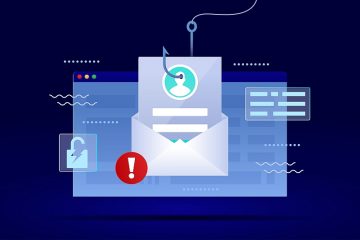
In the ever-evolving landscape of digital threats, phishing remains a prominent concern. A recent scam exploiting Google Drive notifications has surfaced, designed to steal personal information from unsuspecting users. Here’s what you need to know to protect yourself from falling victim.
Table of Contents
How the Scam Works
The scam email appears to be a legitimate notification from Google Drive, with a subject line like “You have a file via Google Drive.” The email entices recipients with a message claiming they have received files totaling 915 KB across four documents. It ominously warns that these files will be deleted by August 1, 2024, or another date.
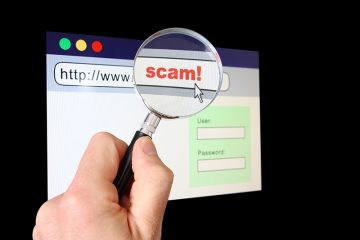
To access the files, the email features buttons labeled “Pre-view your Files” and “Download your Files.” Clicking these buttons leads to a phishing website that mimics a Google Drive login page. Here, users are prompted to enter their email credentials to view or download the files. However, these credentials are captured by scammers, not Google.
Risks of Phishing Scams
Once scammers obtain your login information, they can access your email, social media, and other online accounts. This could lead to further phishing attempts, unauthorized transactions, or even identity theft. In some cases, the stolen data might be sold on the dark web, potentially leading to financial loss or additional fraudulent activities.
Identifying Phishing Attempts
Phishing emails often mimic legitimate companies by using familiar names, logos, and formatting to seem credible. Common phishing examples include messages about “Phone Number Added to Your Account,” “Password Nearing Expiration,” or “Purchase Order Confirmation.” These emails aim to deceive you into divulging sensitive information or downloading harmful content.
How to Prevent Malware Installation
To safeguard against malware infections, follow these best practices:
- Download Software from Trusted Sources: Always obtain software and files from official websites or recognized app stores. Avoid third-party downloaders, torrent sites, or peer-to-peer networks.
- Be Wary of Suspicious Emails: Do not open attachments or click links in unexpected emails, especially those from unknown senders. Verify the sender’s identity if you receive unexpected or suspicious messages.
- Use Security Tools: Regularly scan your computer with a reputable security tool and ensure your operating system and all software are up-to-date.
- Avoid Malicious Links: Do not interact with pop-ups, ads, or alerts on dubious websites. These could lead to malware downloads or other security threats.
If you have accidentally interacted with a phishing email or opened a suspicious attachment, run a scan with an updated anti-malware program immediately to detect and remove any potential threats. Phishing remains a critical threat in the digital world, leveraging deceptive tactics to compromise personal information. By staying informed and vigilant, you can better protect yourself from these scams and secure your online presence. Remember, when in doubt, it’s always safer to verify the legitimacy of an email before taking any action.