Intuit QuickBooks Account Confirmation Email Scam
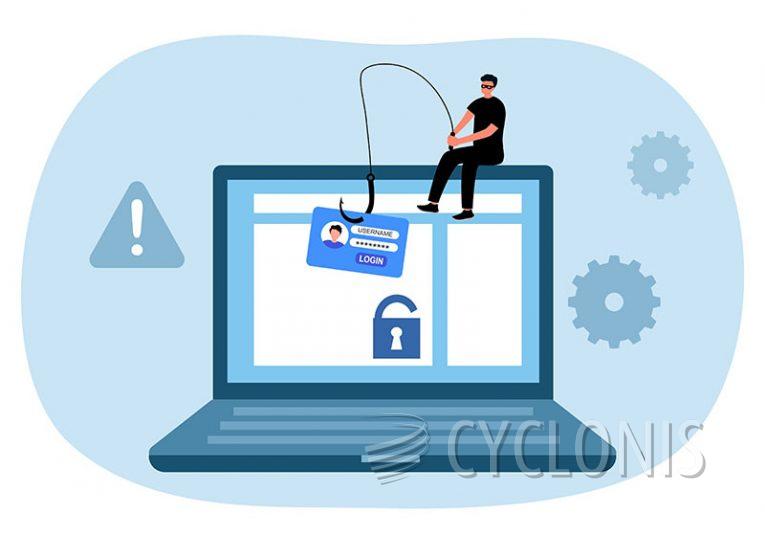
Table of Contents
The Email That Looks Too Official
A new scam is making the rounds disguised as an "Intuit QuickBooks Account Confirmation" email. At first glance, it appears to be a standard message from Intuit—perhaps about policy updates or compliance with federal regulations. The email may even carry a subject line like "Get Ready for New Features," which sounds harmless or even helpful. But behind the clean formatting and familiar branding is a trap designed to collect your QuickBooks login credentials. As such, QuickBooks is not affiliated with this scam.
What the Email Is Trying to Do
This fraudulent email notifies recipients about a supposed upcoming compliance review, claiming that action is needed to confirm the account and agree to new service policies. It typically urges the recipient to complete a brief verification process, supposedly taking just a few minutes. If this step is skipped, the message warns that service interruptions might follow.
These tactics pressure the recipient into clicking a link that redirects to a website controlled by scammers. This fake site is made to look like a legitimate QuickBooks login page, where users are asked to enter their credentials. Once entered, that information is sent straight to the cybercriminals.
Here's what the email says:
Subject: Get Ready for New Features
quickbooks
Dear Account Holder,
We are currently conducting a scheduled compliance review to ensure our users remain in alignment with updated platform policies and federal regulatory standards.
As part of this process, you are requested to complete a brief verification confirming your account and usage details. This helps us maintain accurate records and uninterrupted availability of essential account features.
This verification is mandatory.
Estimated completion time: 3–5 minutes.Confirm your information using the secure link below:
Confirm Your Details
Failure to do so may result in temporary restrictions until verification is complete.
Security Note: This email is being sent to you through a secure channel.
Why QuickBooks Accounts Are Valuable
QuickBooks is widely used by small and medium-sized businesses to manage accounting, payroll, and other financial data. A single compromised account can expose sensitive information, ranging from employee pay records to bank account details. Criminals may use this data for identity theft, unauthorized transfers, or even access to other connected business services.
The people behind these scams understand the value of financial data. By posing as Intuit, they gain a level of credibility that helps trick recipients into compliance. It's a form of social engineering—crafting a message to manipulate someone into giving up confidential information.
Recognizing a Phishing Attempt
A key feature of this scam is the sense of urgency. Messages that push you to act quickly—especially by clicking links or logging in to confirm something—should always be treated with suspicion. Official companies rarely demand instant action via email without providing alternative means of contact or follow-up notifications in your secure account area.
Additionally, checking the sender's email address, link destinations (by hovering your mouse over them), and the general tone of the message can help identify phishing attempts. Scammers may mimic corporate design elements, but their emails often contain small inconsistencies or odd wording that gives them away.
What To Do If You Interacted With the Scam
If you accidentally entered your QuickBooks credentials on a phishing page, act fast. First, change your QuickBooks password immediately. Then, update passwords for any other accounts that might share the same login details. Contact QuickBooks support to inform them of the incident and monitor your financial activity for any unusual behavior.
Depending on the sensitivity of the data involved, you may also need to notify clients, partners, or relevant authorities to mitigate the damage. Taking action early can help prevent further misuse of your information.
The Bigger Picture: Other Phishing Campaigns
This QuickBooks-themed scam is just one example of a broader trend in online threats. Similar phishing emails have impersonated brands like Capital One, DocuSign, and even the "Humanitarian Aid and Compensation" office. These messages may seek login credentials, financial data, or personal identification information under various pretexts.
Phishing isn't limited to email either. Scammers use text messages, direct messages on social media, and pop-up windows on sketchy websites to achieve the same goals. They're betting that, at least once, someone will trust the message enough to respond.
Safe Habits for Email and Web Use
The best way to defend against these scams is a consistent, cautious approach to email and internet use. Always double-check the source before clicking a link or entering sensitive data. Avoid downloading files or opening attachments from unfamiliar senders. Even seemingly harmless documents or ZIP files can contain hidden threats that activate once opened.
Whenever software updates or verification processes are required, go straight to the official website instead of clicking links in an email. It's also a good practice to use multi-factor authentication where possible, especially for financial platforms like QuickBooks.
Key Takes
Scams like the Intuit QuickBooks account confirmation email rely on catching people off guard. They use familiar logos and persuasive language to get you to act before you think. But with awareness and smart browsing habits, you can avoid falling for these tactics and keep your financial data secure.
Understanding how these scams operate is the first step to staying protected. Share this knowledge with colleagues, especially those managing sensitive company accounts, so everyone stays a step ahead of the next deceptive message.