A Scheme to Steal Personal Information: Capital One - Card Restricted Email Scam
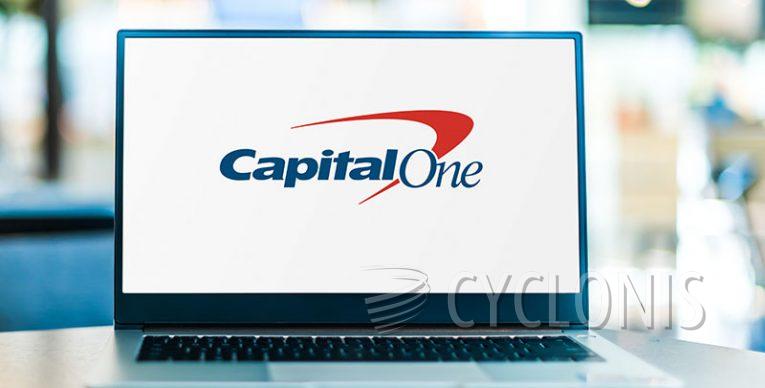
Table of Contents
A Fraudulent Alert Disguised as a Security Message
A deceptive email campaign is making rounds, falsely claiming to be from the Capital One Fraud Department. This phishing attempt notifies recipients of a supposed "secure message" regarding account restrictions. The email urges users to take immediate action, leading them to a fraudulent website designed to harvest their login credentials.
The Misleading Email Contents
The email's subject line typically includes phrases like "Capital One Fraud Department," though variations exist. Within the message, recipients are informed that a secure message awaits them. It claims the message concerns account security issues, an alarming tactic aimed at prompting quick responses. However, this email is not affiliated with Capital One Financial Corporation in any way.
Here's what the fraudulent message says:
Subject: Capital One Fraud Department
Visit Capital One Sign In
Your Capital One® Card Restricted.
Dear -,
You have received a new secure message from Capital One Fraud Department regarding restrictions on your account. Please review this message and respond accordingly.
Secure Messages
Your account security is important to us. Thank you for your prompt attention to this matter.
Thanks for choosing Capital One.
Was this alert helpful? Tell us what you think in one click.
A Deceptive Website Awaits Unsuspecting Users
Clicking the provided "Secure Messages" button does not lead to a legitimate Capital One website. Instead, users are redirected to a carefully crafted phishing page that mimics the authentic sign-in portal. Any login credentials entered here are stolen and transmitted to scammers, putting victims at serious risk of unauthorized access to their financial accounts.
Potential Consequences of Falling for This Scam
If attackers gain control of a financial account, they could engage in unauthorized transactions, make fraudulent purchases, or access sensitive personal data. Banking credentials, digital wallet logins, and payment platform details are particularly valuable to cybercriminals, who may misuse them for illicit financial gains. Additionally, compromised accounts often expose other private information, increasing the risk of identity theft.
Immediate Steps for Those Who Have Been Tricked
Individuals who have entered their credentials into a phishing website should act swiftly. The first step is to change the password of the affected account and any other accounts using the same credentials. Additionally, it is crucial to notify Capital One's official support team and, if necessary, report the incident to relevant authorities.
Phishing Scams Take Many Forms
Phishing emails similar to the "Capital One - Card Restricted" scam are widespread. Cybercriminals employ diverse themes to deceive users, including fake lottery winnings, parcel delivery notifications, suspicious logins, and encrypted document alerts. These scams often impersonate reputable organizations to establish trust and increase their success rate.
The Tactics Used in Phishing Emails
Fraudsters craft their messages to appear urgent and convincing. Common tactics include warnings about account security, requests to update expired passwords, notifications about pending transactions, and even fake job offers. These emails often contain links or attachments designed to capture sensitive data or deploy harmful software.
The Role of Spam Mail in Malware Distribution
Beyond credential theft, spam campaigns also distribute malicious software. Emails carrying infected attachments or links can introduce malware onto users' devices. Commonly used file types in these attacks include Microsoft Office documents, PDFs, executable files, compressed archives, and JavaScript files. Simply opening an infected file can trigger the installation of harmful programs.
The Risks of Opening Suspicious Email Attachments
Some file types require user interaction to complete the infection process. For instance, Microsoft Office files may request users to enable macros, while OneNote documents contain embedded links that must be clicked. Once executed, these files can install malware capable of stealing information, encrypting files, or giving attackers remote control over a device.
Best Practices to Avoid Phishing and Malware Attacks
To minimize the risk of such scams, users should approach unsolicited emails with caution. Links and attachments from unknown senders should never be opened without verification. It is advisable to directly visit official websites instead of clicking links embedded in emails claiming to be from trusted institutions.
Staying Safe While Browsing Online
Phishing attempts are not limited to email campaigns. Fraudulent websites, misleading advertisements, and pop-ups can also pose threats. Users should be mindful of the pages they visit, ensuring that they interact only with legitimate and secure platforms. Cybercriminals often create counterfeit login pages that look nearly identical to real banking or service provider websites.
Downloading Software from Trusted Sources
Another important security measure is to download programs exclusively from verified and official sources. Third-party software providers and illegal activation tools are often exploited to distribute malware. Keeping software updated using official developer-provided methods ensures security vulnerabilities are patched appropriately.
Final Thoughts
The "Capital One - Card Restricted" email scam is one of many deceptive tactics used to steal personal and financial information. By staying vigilant, avoiding suspicious emails, and verifying the authenticity of messages from financial institutions, users can reduce their risk of encountering cyber scams. Awareness and proactive security measures are crucial in protecting online accounts and personal data from fraudulent schemes.